How to Track NFT Investments Alongside Crypto Assets
Introduction: The Growing Convergence of NFTs and Crypto
The boundaries between NFTs and cryptocurrencies are becoming increasingly blurred. What once started as two distinct categories of digital assets has now evolved into an interconnected ecosystem. Investors no longer hold only coins or tokens; they often combine NFTs, DeFi positions, and staking assets in a single portfolio.
As this integration deepens, tracking performance across multiple platforms becomes more complex. Managing wallet balances, understanding staking yields, and keeping up with NFT valuations requires more than just manual monitoring. Having an organized and unified strategy for tracking both NFTs and crypto assets is now a critical component of smart investing.
Understanding the Role of NFTs in a Crypto Portfolio
NFTs are no longer just digital art or collectibles. They represent ownership, utility, and value within blockchain ecosystems. From tokenized real estate to music rights and metaverse land, NFTs have begun to play a strategic role in digital investment portfolios.
Their relationship with traditional cryptocurrencies is both complementary and distinct. While crypto tokens are often used for liquidity and staking, NFTs provide exposure to unique assets that can appreciate independently of broader market movements. This blend can strengthen portfolio diversification when tracked and managed properly.
To fully understand performance and risk, investors must treat NFTs as a formal part of their portfolio rather than as side assets.
Step-by-Step Guide to Building a Crypto Portfolio That Includes NFTs
Creating a portfolio that integrates both NFTs and cryptocurrencies begins with clear investment goals. Define your time horizon and risk tolerance before allocating assets. A balanced portfolio might include core cryptocurrencies like Bitcoin or Ethereum alongside a curated selection of NFTs from established collections or projects with long-term potential.
When considering how to build your portfolio, think in terms of proportion and purpose rather than volume. The Step-by-Step Guide to Building a Crypto Portfolio starts with understanding your liquidity needs, choosing secure wallets, and deciding how much exposure to dedicate to NFTs versus fungible assets.
Once your portfolio is structured, consistency in tracking and rebalancing becomes the foundation for sustained performance.
Tracking and Managing NFT Performance Alongside Crypto
Monitoring NFT investments requires a different approach than tracking traditional cryptocurrencies. While coins have standardized price feeds across exchanges, NFT values depend on factors such as rarity, demand, and marketplace trends.
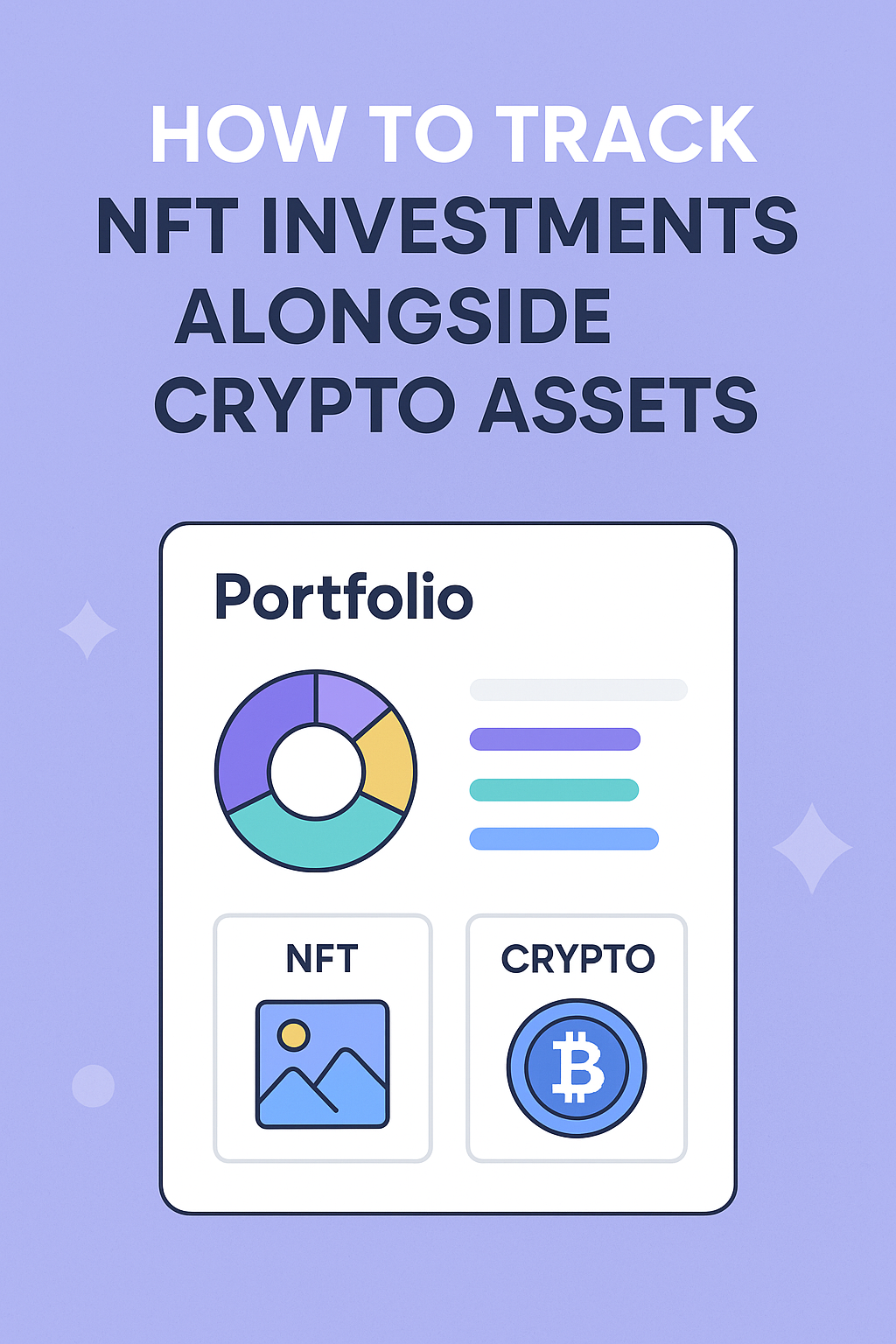
Investors benefit from using multi-exchange portfolio trackers that consolidate data across various platforms, wallets, and blockchains. These tools offer real-time updates on total portfolio value and allow you to view your crypto holdings and NFTs together in one dashboard.
Effective tracking also means integrating both transactional and qualitative data. For example, combining blockchain analytics with floor-price monitoring provides a more accurate view of performance. This unified perspective enables investors to make informed decisions rather than reacting to fragmented information.
Integrating Staking Rewards Management Into Your Portfolio
As investors expand their portfolios, staking rewards add another dimension to portfolio management. Staking allows crypto holders to earn yield by supporting blockchain networks, but it also creates complexities in recordkeeping.
Proper staking rewards management ensures that these additional earnings are accurately tracked and integrated into overall portfolio performance. Investors should use platforms or tools capable of recording staking returns automatically while distinguishing between realized and unrealized gains.
When NFTs are tied to staking mechanisms, such as gaming or metaverse assets that generate yield, managing both sides becomes essential. Aligning NFT and staking tracking helps maintain transparency and ensures that every source of return is accounted for in a unified strategy.
The Future of Unified Portfolio Management Tools
The line between NFTs, crypto, and DeFi continues to fade, and the need for unified portfolio management tools grows stronger. Investors increasingly demand platforms that can bring all their assets together in one view without sacrificing accuracy or privacy.
Artificial intelligence and automation are beginning to reshape how portfolios are tracked and optimized. Predictive analytics, tax automation, and performance insights are transforming passive monitoring into proactive strategy management.
Solutions like Harukuro are contributing to this shift by helping investors simplify how they track NFTs, cryptocurrencies, and staking rewards within one intelligent interface. The future of digital investing lies in integration, not separation.
Conclusion: Building a Holistic Investment View
Managing NFTs alongside crypto assets is no longer optional; it is essential for anyone serious about digital wealth. A unified view allows investors to evaluate risk, understand value fluctuations, and respond to market opportunities faster.
By integrating NFTs, cryptocurrencies, and staking rewards under one management approach, you create a holistic understanding of your financial position.
Innovative platforms like Harukuro are pioneering this seamless experience, offering the clarity and precision needed to navigate an increasingly complex digital investment world.